
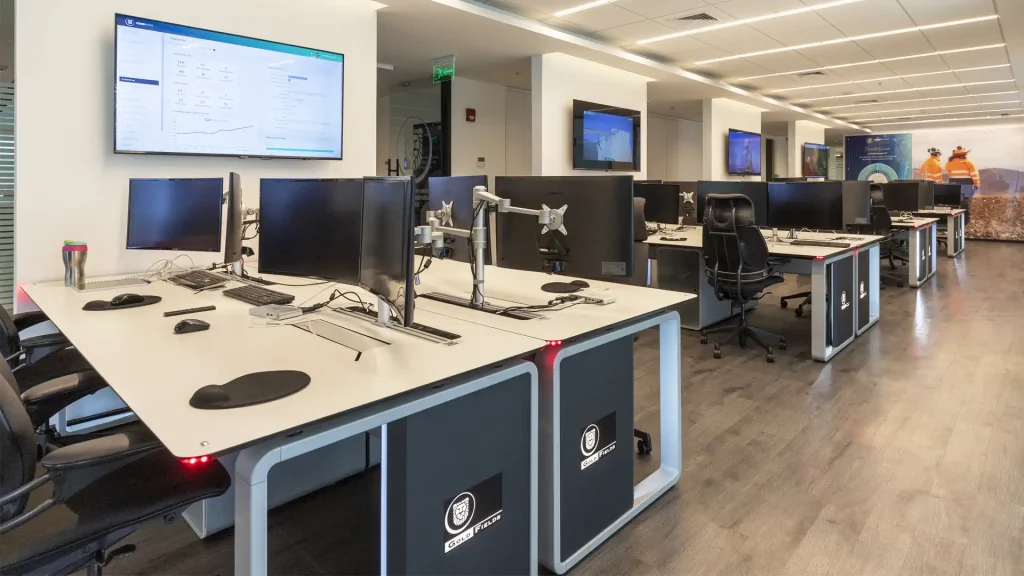
Think about the last office you walked into. Chances are, it was a sea of open desks, the persistent hum of conversation, and fluorescent lights buzzing overhead. For many, it’s just… background. But for neurodivergent individuals—those with ADHD, autism, dyslexia, or other cognitive differences—that environment isn’t just distracting. It can be a barrier to doing their best work.
Here’s the deal: when we design workplaces solely for the neurotypical majority, we miss out on a massive well of talent and perspective. Innovative workplace design isn’t about bean bags and ping-pong tables anymore. It’s about creating spaces that honor cognitive diversity. It’s where inclusion meets architecture, acoustics, and technology. And honestly, when you get it right, you don’t just accommodate neurodivergent minds—you unlock innovation for everyone.
Why This Intersection Matters Now
Neurodiversity is, frankly, having a moment. Companies are finally recognizing that different kinds of brains solve problems in different, often brilliant, ways. But awareness is only step one. The real challenge is translation: how do you move from a statement of principle to a physical environment that supports it?
Traditional office layouts often create a sensory and cognitive minefield. The pain points are real: unpredictable noise, lack of privacy, visual clutter, and rigid schedules. For someone with sensory processing sensitivities, navigating this can be exhausting—burning energy just to cope, instead of focusing on deep work.
That said, the shift to hybrid and remote work has changed the conversation. It proved that the one-size-fits-all, 9-to-5 desk model is… optional. We now have a unique opportunity to rebuild with intention. To design for cognitive accessibility from the ground up.
Core Principles of Neuroinclusive Design
So, what does it look like? Well, it’s less about a single blueprint and more about offering a spectrum of spaces and controls. Think of it as creating a toolkit for the mind. Here are the foundational pillars.
Sensory Zoning: The End of the Sensory Free-For-All
Instead of forcing everyone into the same sensory experience, zoning creates clear, purpose-based areas.
- Collaborative Zones: Lively, but with defined boundaries. Think booths, small meeting pods with sound-dampening, not just open tables.
- Focus Zones: Quiet, low-traffic areas. Carrels, small private rooms, or even “library-style” areas with strict no-talk rules.
- Recharge Zones: Truly quiet, often dimly lit spaces for sensory reset. This isn’t the cafeteria. It might have comfortable seating, noise-cancelling headphones, or even weighted blankets.
The key is choice and predictability. An employee should know, “If I go to this zone, I will get *this* experience.”
Auditory and Visual Autonomy
This is about giving people control over their immediate sensory input. For auditory control, that means high-quality sound masking systems, plenty of available noise-cancelling headphones, and real acoustic separation—think floor-to-ceiling walls for focus rooms, not just flimsy partitions.
Visually, it’s a move away from harsh, uniform lighting. Tunable LED lights that let individuals adjust color temperature and brightness at their workstation are a game-changer. Reducing visual clutter—cable management, clean lines, accessible but organized storage—also lowers cognitive load. It’s about creating a calm visual field, you know?
Flexibility and Psychological Safety
Innovative design must extend to policy and culture. A beautiful focus room is useless if an employee feels judged for using it for three hours straight. Design enables flexibility, but culture permits it.
This includes flexible work hours, clear protocols for booking spaces, and normalized use of sensory tools like fidget devices. The message must be: “Using these spaces and tools is a smart work strategy, not a special accommodation.”
Practical Applications & The Tech Edge
Let’s get concrete. What are companies actually doing? Some are implementing “neighborhood” models with clear, sensory-defined areas. Others use wayfinding apps that show real-time noise levels in different parts of the office—like a sensory weather map.
Technology is a huge ally. Noise-cancellation software for video calls, customizable digital workspaces, and communication platforms that allow for asynchronous, written updates (reducing the pressure of spontaneous verbal exchange) are all part of the neuroinclusive tech stack.
| Design Feature | Neurodivergent Benefit | Universal Benefit |
| Assigned “Home Base” lockers | Reduces anxiety over daily desk hunting; provides anchor. | Eliminates morning scramble; sense of personal territory. |
| Multiple meeting room types (walking, video-centric, silent) | Offers choice based on communication & sensory preference. | Better meeting outcomes by matching format to purpose. |
| Clear, literal signage & wayfinding | Reduces executive function load for dyslexic or anxious individuals. | Eases navigation for visitors and new hires. |
| Access to natural light & greenery | Regulates circadian rhythm & reduces sensory overwhelm. | Boosts mood, focus, and overall well-being for all. |
The Ripple Effect: Beyond Accommodation
This is the most compelling part. When you design for the edges—for those with the most pronounced sensory and cognitive needs—you inevitably improve the environment for the center. That focus room is a sanctuary for an autistic employee, and it’s also the perfect spot for a neurotypical employee to draft a complex report.
Giving people control over their environment reduces stress across the board. It signals trust. It acknowledges that great work can look different for different people. The innovative workplace design that embraces neurodiversity becomes a tangible expression of a company’s values. It says, “We want you to work in the way your brain works best.”
And in that space—where people aren’t expending energy just to *manage* their environment—true creativity and innovation can finally… breathe. The quirky idea, the obsessive focus on a problem, the unique pattern recognition that a neurodivergent mind brings to the table—these aren’t just tolerated. They’re cultivated.
So, the future of work isn’t just flexible. It’s cognitively accessible. It’s a mosaic of spaces that understands the noise in our heads sometimes needs a quiet room to be heard. And building that future isn’t just good ethics. It’s simply good design.