
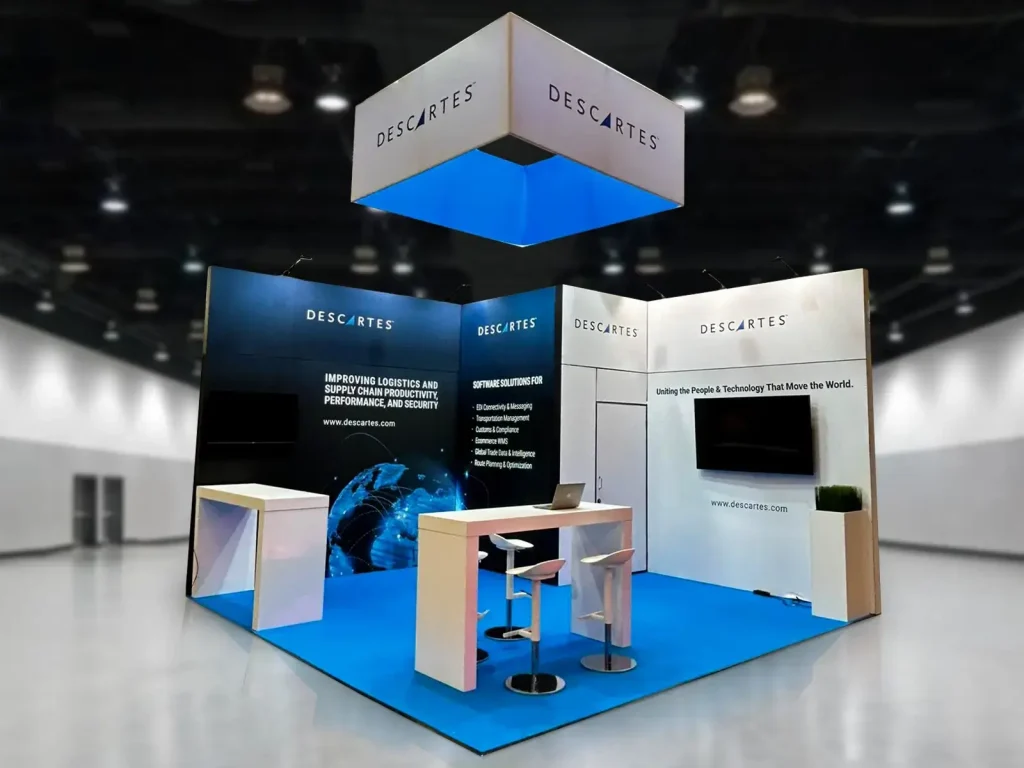
Let’s be honest. The thought of trade show shipping can send a shiver down the spine of even the most seasoned marketer. It’s the part of the process that feels like a high-stakes game of Tetris, but with your entire brand reputation and budget on the line. One wrong move and your beautiful booth is stuck in a warehouse in another state while the show floor opens without you.
But it doesn’t have to be that way. With a little foresight and some logistical savvy, you can transform this potential nightmare into a smooth, predictable process. This is your guide to optimizing your trade show shipping and logistics, turning chaos into calm.
Why Getting This Right Isn’t Just About Saving Money
Sure, cost savings are huge. But the real value of optimization runs deeper. Think about the stress it eliminates for your team. The confidence of knowing your assets will arrive on time, intact, and ready to wow your audience. It’s about protecting your investment and ensuring your show is a success, not a story about what almost happened.
The Pre-Show Playbook: Laying the Groundwork
This is where the battle is won or lost, honestly. Long before you print a shipping label, your plan should be locked in.
Know the Rules of the Road (And the Show Floor)
Every trade show has its own rulebook—the exhibitor manual. This document is your bible. It contains critical deadlines, specific forms, and the designated official service providers (often called “general contractors”). Ignoring it is like trying to drive in a new city without a map. You’ll hit dead ends and incur costly penalties.
Choose Your Shipping Partner Wisely
You have a few main options here, and the best one depends on your budget and the complexity of your shipment.
- Direct-to-Carrier (e.g., FedEx, UPS): Great for smaller, simpler packages. It’s familiar and often cost-effective. But for large, heavy, or crated items, their standard services might not cut it, and you could face surprise accessorial fees.
- The Show’s Official Freight Carrier: These are the pros who know the venue inside and out. They handle the heaviest freight and offer “inside delivery,” placing your items directly in your booth space. This convenience usually comes at a premium, but it’s often worth it for complex setups.
- Third-Party Logistics (3PL) Specialists: These are your trade show shipping gurus. They act as your single point of contact, negotiating rates, managing paperwork, and coordinating with the official carriers. They can often find savings and reduce your team’s administrative burden significantly.
Master the Art of the Label and Inventory
This seems simple, but it’s a common failure point. Every single box, crate, and pallet needs a crystal-clear label. We’re talking:
- Show Name
- Your Company Name
- Booth Number
- A unique piece number (e.g., “1 of 4,” “2 of 4”)
And then, create a detailed packing list for each container and a master inventory list. This isn’t just for you; it’s for the warehouse and setup crews. When they can see exactly what should be where, the setup process becomes infinitely faster.
Advanced Strategies for the Savvy Exhibitor
Okay, you’ve got the basics down. Now, let’s talk about leveling up. These strategies separate the pros from the amateurs.
Consolidation: Your Secret Weapon for Cost Control
Here’s a common scenario: your booth structure ships from one vendor, graphics from another, and giveaways from a third. If they all ship separately, you’re paying multiple minimum charges and handling fees. Ouch.
Consolidation solves this. A logistics provider collects all your shipments at a central warehouse and combines them into a single, larger shipment to the show. You pay one freight bill instead of three or four. The savings can be substantial.
Understanding the Fee Jungle (And Taming It)
Trade show shipping is infamous for its hidden fees. You need to know what you’re up against.
| Fee Type | What It Is | How to Mitigate It |
|---|---|---|
| Material Handling | The cost for the official contractor to receive, store, and deliver your freight to your booth. This is often unavoidable but can be managed. | Ship to arrive within the “direct-to-show” timeframe to avoid early warehouse storage fees. Ensure perfect labeling to prevent “blind” receiving fees. |
| Weight Discrepancy | If your stated weight is off by more than a certain percentage, you’ll be charged a fee for the re-weigh. | Weigh everything yourself with a certified scale and provide accurate weights on your Bill of Lading. |
| Overtime/Late Fees | Missing the “target move-in” deadline can force the crew to work overtime, billed directly to you. | Plan for buffer time. Ship so your items arrive with plenty of time to spare before your scheduled setup slot. |
The Power of Pre-Planning Your Outbound Shipment
You’re focused on getting there, but what about getting home? The scramble at the end of the show is where mistakes happen. Have your outbound labels and paperwork pre-printed and packed in a clearly marked envelope in your last empty box. As soon as the show ends, your team can immediately begin the pack-up process correctly, avoiding last-minute panic and costly expedited shipping charges.
The Human Element: Communication is Everything
All the plans in the world can’t replace clear communication. Designate a single point of contact on your team for all shipping-related matters. Provide your carrier and the general contractor with their cell phone number. A quick call can resolve an issue that would otherwise take days of emails to untangle.
And be kind to the union laborers on the show floor. They have a tough job under immense pressure. Having your paperwork in order and being respectful can, you know, sometimes make your setup a priority. It’s just human nature.
A Final Thought: Logistics as a Competitive Edge
When your booth arrives on time, sets up without a hitch, and gets packed away seamlessly, it does more than just save money. It reduces your team’s stress, allowing them to focus on what really matters: connecting with customers. It projects an image of professionalism and competence. In the high-stakes environment of a trade show, that smooth, behind-the-scenes operation isn’t just logistics—it’s a silent, powerful testament to how you do business. And that might just be the most convincing message you send all week.